Tesla launches FSD v15, targets its biggest weaknesses, from signs to potholes
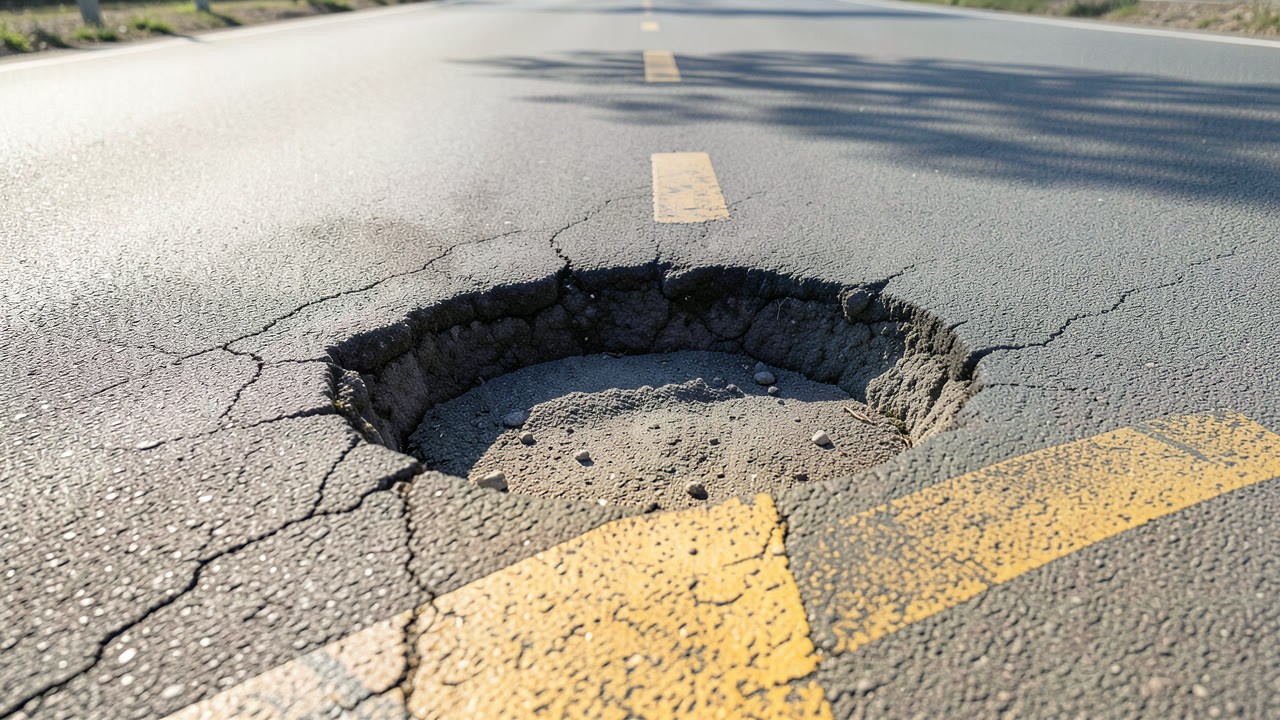
Tesla has launched Full Self-Driving (FSD) v15, targeting its biggest weaknesses: sign detection, potholes, and speed handling in school zones. The update improves the critical intervention rate by 25x, but the exact number is not disclosed. Tesla claims the vision encoder is trained on millions of internet videos, enhancing generalization and data efficiency. The new visualization, called Reality View, replaces explicit model signals with a single end-to-end visualization, using less compute and allowing drivers to see and control what FSD is planning. The update is expected to improve navigation, parking, driver monitoring, and road detection.
Tesla’s release notes show FSD v15 upgrades every part of the end-to-end driving network. The vision encoder is improved, and the system now detects signs, potholes, and small animals. Navigation uses an end-to-end learned model based on route preference data, and parking location selection is personalized. Driver monitoring is enhanced with hats and sunglasses, and strictness is decreased in higher speed profiles. The update also improves speed handling in school zones and inclement weather, and adds Bike Rack Mode. Tesla says FSD can now slow down for speed cameras, but it still doesn’t share the exact number of critical interventions.
The update addresses the most complained-about issues: misread speed limits, potholes, and school zones. Tesla claims the vision encoder improves the critical intervention rate by 25x, but the actual number is unknown. The update is part of a broader trend of FSD improvements, but it also highlights the challenges of unsupervised driving. FSD has historically gone two steps forward, one step back, with point releases regularly breaking previous versions. Tesla’s v15 is a significant step in the evolution of autonomous driving, but the lack of concrete data on critical interventions makes it difficult to assess progress. The update is expected to make FSD easier to supervise, but the real impact remains uncertain.
AI-generated summary of the original article — see the source for the full story.
Aired in the broadcast of November 22, 2026 · transcript
Log in to join the discussion.